Medical Site Assessment – Wli Todzi, Ghana
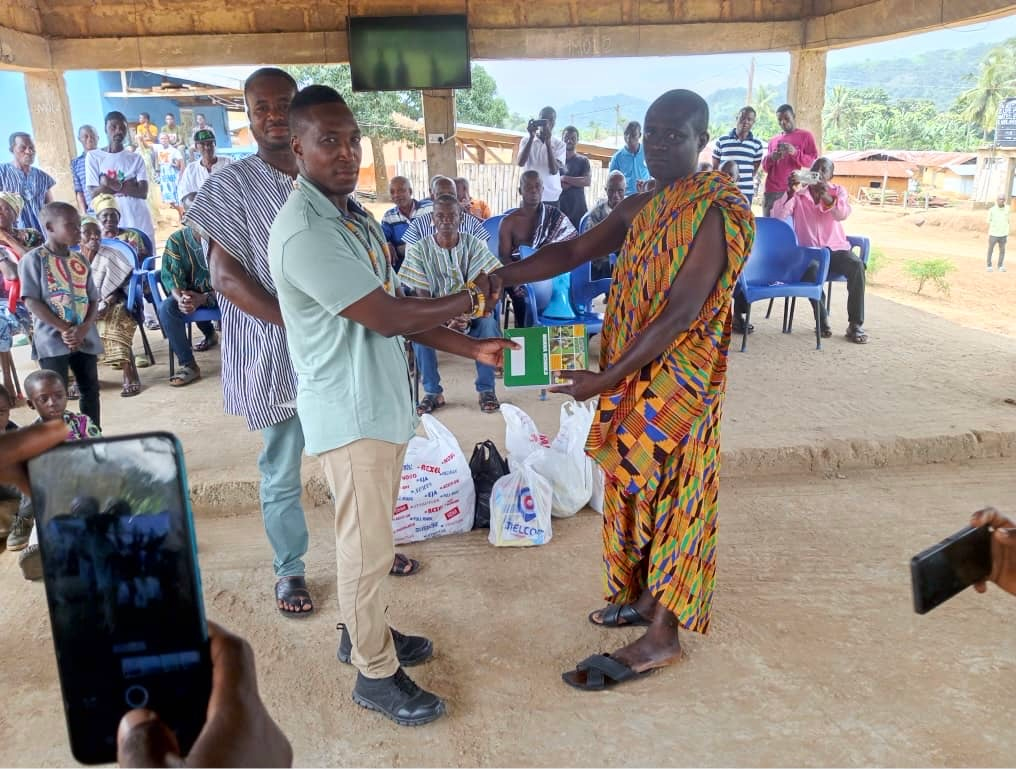
Conducted by: Kobe Yeboah, Executive Director of International Programs, Resilient Health Outreach
Background: Former U.S. Army Special Forces Medical Sergeant
Date of Assessment: August 13, 2025
Executive Summary
Wli Todzi is a remote mountaintop village in the Volta Region of Ghana, accessible only by a steep 2-3 hr climb. The village is primarily Ewe ethnicity. Due to its isolation, limited infrastructure, and difficult terrain, Wli Todzi remains significantly underserved in terms of healthcare delivery.
This assessment provides a comprehensive review of the current medical and public health landscape in Wli Todzi. It offers strategic recommendations for potential RHO medical missions and outlines sustainable methods for health system engagement, emphasizing veteran integration and long-term impact.
- Community Overview
- Location: Wli Todzi is a remote mountain village in the Volta Region of eastern Ghana, near the Togo border.
- Access: Only reachable by foot via a steep trail (~2-3 hours uphill from Wli town). No motor vehicle access.
- Population: Estimated 800 residents, primarily subsistence farmers. Predominantly Ewe-speaking.
- Ethnography: Tight-knit community with deep cultural traditions and village council leadership. Very welcoming of outsiders, especially those offering assistance.
- Current Health Infrastructure
- No medical clinic in Wli Todzi.
- The nearest medical facility is in Wli Agorviefe or Hohoe, requiring a 2–3 hour hike + transport.
- No ambulance access; evacuations require manual stretcher transport down the mountain.
- No full-time healthcare providers. Occasional outreach by regional health services, mostly for vaccinations.
- Identified Health Needs (based on preliminary site walk-through and local interviews)
- Maternal & Child Health:
- No trained birth attendants. Births occur at home without skilled oversight.
- Infant mortality estimated to be high (anecdotal).
- No postnatal care or early childhood monitoring.
- Infectious Diseases:
- High burden of malaria and intestinal parasites.
- Some reports of skin infections, fungal diseases, and upper respiratory illnesses.
- Chronic Conditions:
- No blood pressure or glucose screenings. Possible undiagnosed hypertension and diabetes.
- Water/Sanitation:
- Primary water sources are springs and streams.
- No filtration or treatment.
- Open defecation common; no structured latrines or sanitation infrastructure.
- Nutrition:
- Diet mostly plant-based, low protein.
- Potential for childhood malnutrition and anemia.
- Injuries:
- Manual labor and terrain contribute to untreated musculoskeletal injuries, lacerations, and wound infections.
- Community Engagement
- Village leadership expressed strong interest in partnership.
- Local elders emphasized need for health education, especially around hygiene and childbirth.
- Collaborative approach welcomed; RHO’s model of co-planning aligns well with cultural expectations.
- Youth involvement: Strong interest in education and health topics.
- Infrastructure and Resources
- Water and Sanitation
- Rain-fed tanks are the primary water source.
- No central plumbing or consistent sanitation infrastructure.
- Open defecation still occurs; latrines are limited.
- Waterborne illness is a concern, especially during the rainy season.
- Electricity
- Limited access via solar panels and small batteries.
- No consistent or central power grid.
- Communication
- Cellular signal present in limited areas.
- Internet is nearly nonexistent on the mountain.
- Logistics & Operational Considerations
- Access: All gear and personnel must be hand-carried. Potential to hire local porters for gear support.
- Lodging: No guesthouse in Wli Todzi.
- Tent camping or village homestay required for overnight missions.
- Seasonal rains can impact access and comfort.
- Communications: No cell coverage in village proper. Satellite phones or off-grid radios required.
- Electricity: No grid power. Headlamps, solar chargers, and battery backups essential.
- Water: Must be purified. Bring filtration/purification systems.
- Security: No known threats. Extremely peaceful community with zero incidents reported.
- Recommended RHO Engagement Strategy
Phase 1: Assessment and Trust Building
- Continue meetings with village leaders and residents.
- Present health education topics (basic sanitation, hydration, wound care).
- Conduct household surveys and structured interviews.
- Provide non-clinical wellness support (BP checks, health discussions).
Phase 2: Mobile Medical Support
- Coordinate foot-mobile or portable clinics via hiking access.
- Prioritize primary care, pediatrics, wound care, and malaria testing/treatment.
- Include dental hygiene support and anti-parasitic medications.
Phase 3: Partnership and Training
- Identify 1–2 community members for training as health liaisons.
- Train on vital signs, wound care, hydration, sanitation, medication use.
- Begin establishing communication with clinics in Hohoe for referrals.
Veteran Integration Strategy
- Deploy small veteran teams within the RHO mission structure.
- Provide full coverage of travel, gear, per diem, and post-mission decompression support.
- Emphasize emotional and psychological wellness through impactful work and camaraderie.
- Recommended Team Composition
- 1 Family Nurse Practitioner (or MD/PA equivalent)
- 1–2 RNs/paramedics
- 1–2 veteran volunteers (non-clinical) for supply, support, and outreach
- Summary
Wli Todzi represents a high-need, high-impact mission site that aligns closely with RHO’s philosophy: veteran-led service, deep community collaboration, and long-term sustainable goals. While remote and logistically demanding, the openness of the community and their clear desire for partnership make this an ideal focus area for pilot operations in Ghana
Appendix: Common Illnesses in Wli Todzi
Illness | Pathology & Impact | Recommended Treatment |
Malaria | Caused by Plasmodium falciparum, transmitted by mosquitoes. Major cause of morbidity and missed work. | Artesunate/amodiaquine or ACT (Artemisinin-based Combo Therapy). Test before treating. |
Intestinal Parasites | Helminths like hookworm, roundworm; contribute to malnutrition, anemia. | Albendazole or Mebendazole; health education on sanitation. |
Skin Infections | Fungal (tinea), bacterial (impetigo); worsened by humidity and poor hygiene. | Antifungal creams (clotrimazole), topical antibiotics (mupirocin), hygiene instruction. |
Diarrheal Illnesses | Often from unclean water or poor sanitation. Major risk in children. | ORS (oral rehydration salts), zinc, metronidazole if bacterial cause suspected. Water purification efforts. |
Dental Caries | Severe tooth decay common due to no dental access. Pain impacts nutrition. | Temporary fillings, extractions, fluoride varnish, and dental hygiene kits. |
Upper Respiratory Infections (URIs) | Viral or bacterial; exposure to indoor smoke and weather. | Supportive care, acetaminophen, antibiotics only if fever/persistent. |
Hypertension | Undiagnosed and untreated; increases stroke risk. | Amlodipine, lisinopril. BP screenings, education. |
Malnutrition (esp. pediatric) | Protein and micronutrient deficiencies observed in children. | Nutritional counseling, fortified meal supplements, multivitamins, deworming. |
Wound Infections | Common due to terrain and barefoot walking. Risk of tetanus. | Wound cleaning, triple antibiotic ointment, bandaging, tetanus prophylaxis. |
© 2025 Resilient Health Outreach (RHO). All rights reserved.
RHO is a registered nonprofit organization dedicated to providing humanitarian medical support and veteran reintegration services.
Resilient Health Outreach does not provide legal, financial, or emergency medical advice through this website.
Resilient Health Outreach is a registered 501(c)(3) nonprofit organization. All donations are tax-deductible as allowed by law.