Wli Todzi Medical Mission (February 2026)
Arrival and Movement
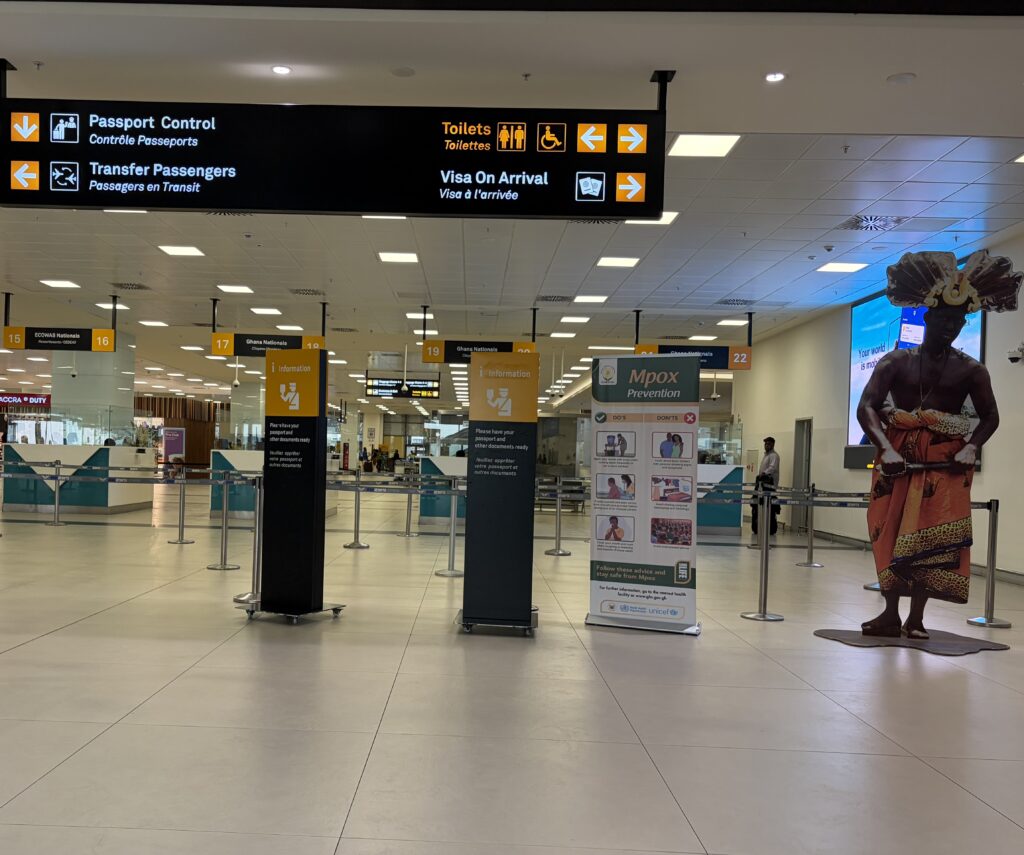
The mission began with movement from the United States to Ghana, with the team arriving in Accra before continuing preparations for deployment into the Volta Region.
Travel into environments like Wli Todzi is not immediate. It requires staging, coordination, and time on the ground to align logistics, acquire local supplies, and prepare for movement into more remote terrain.
The Journey Into Wli Todzi
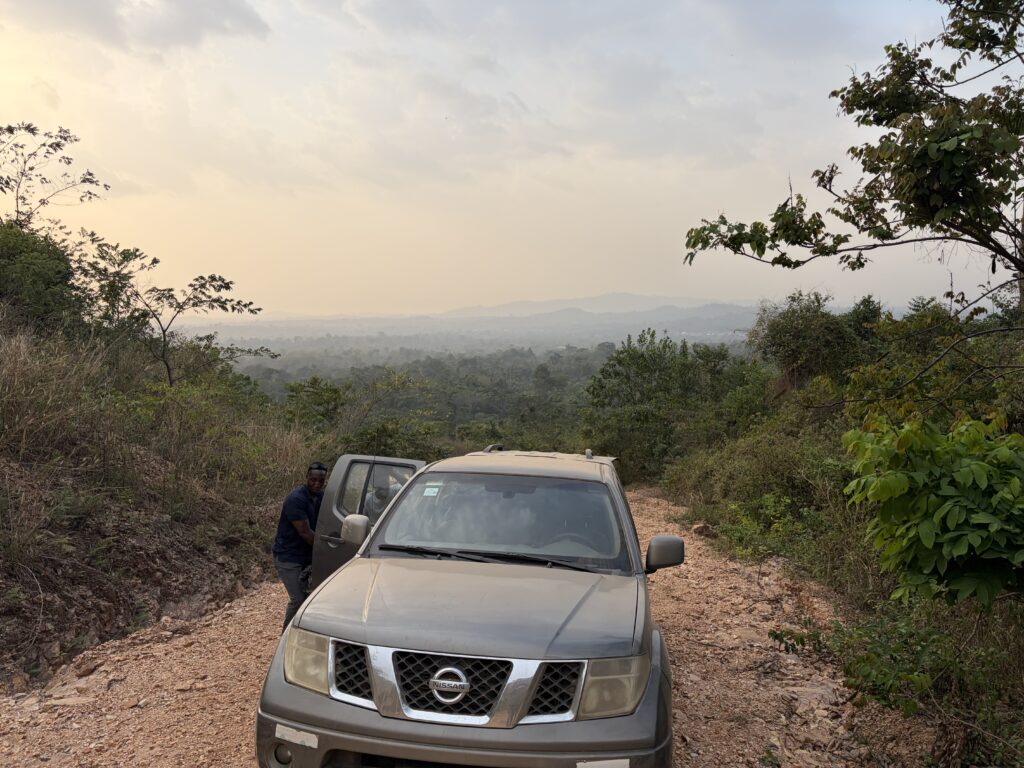
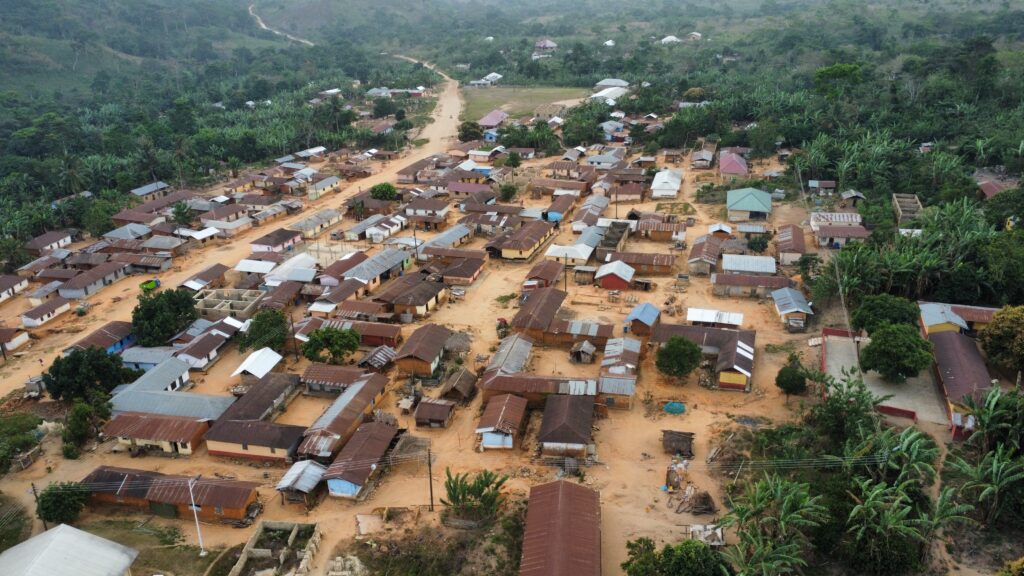
Reaching Wli Todzi requires more than travel — it requires movement.
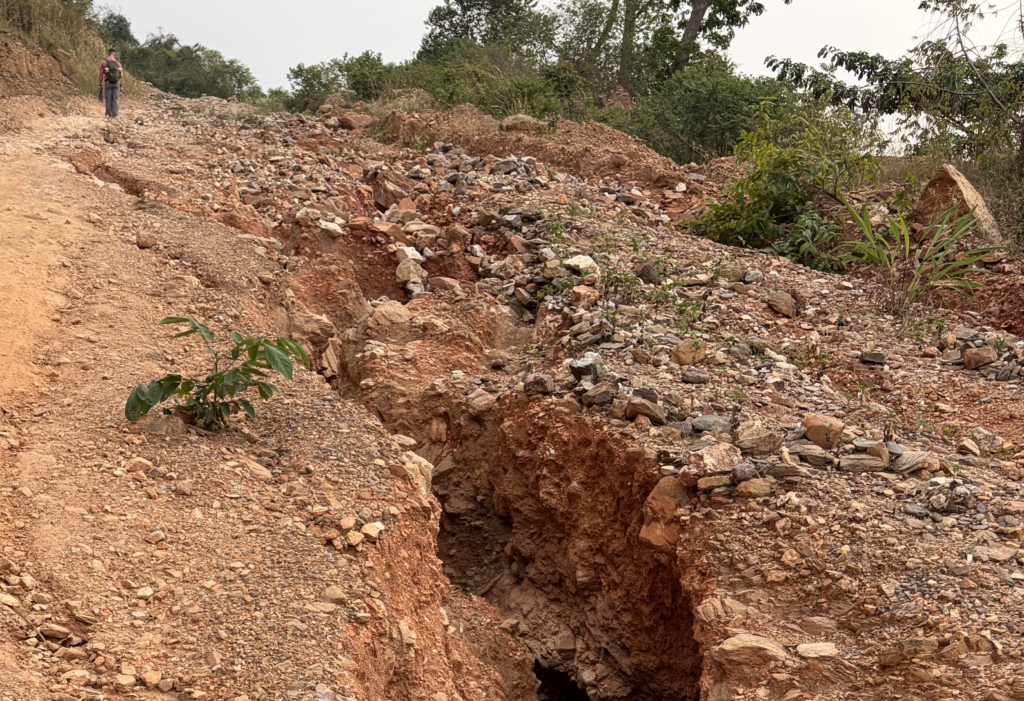
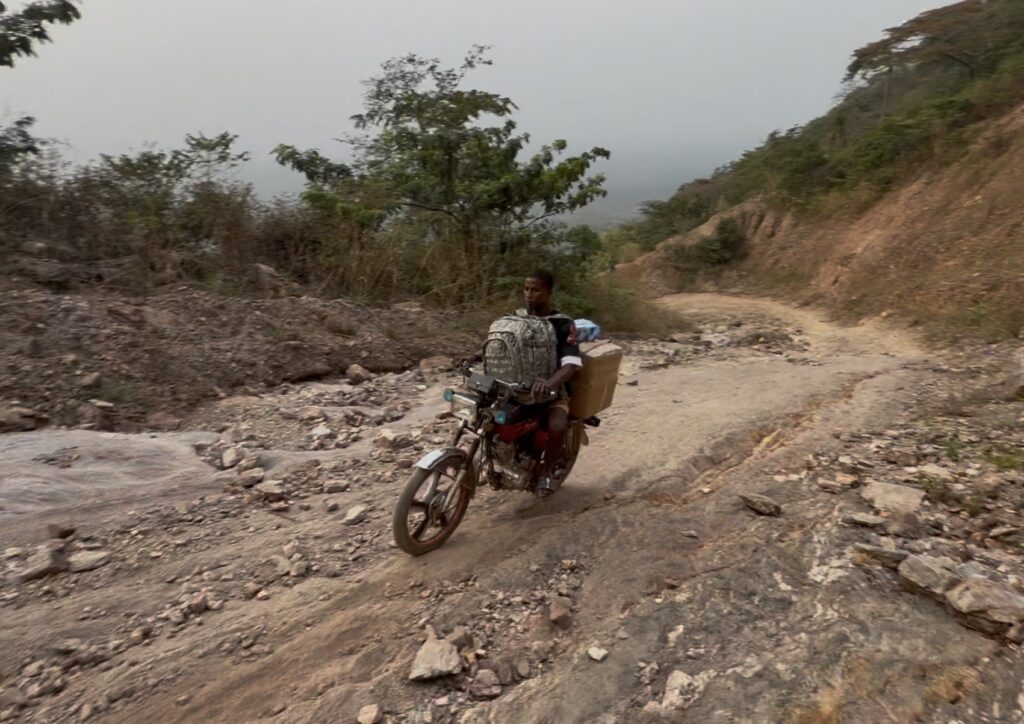
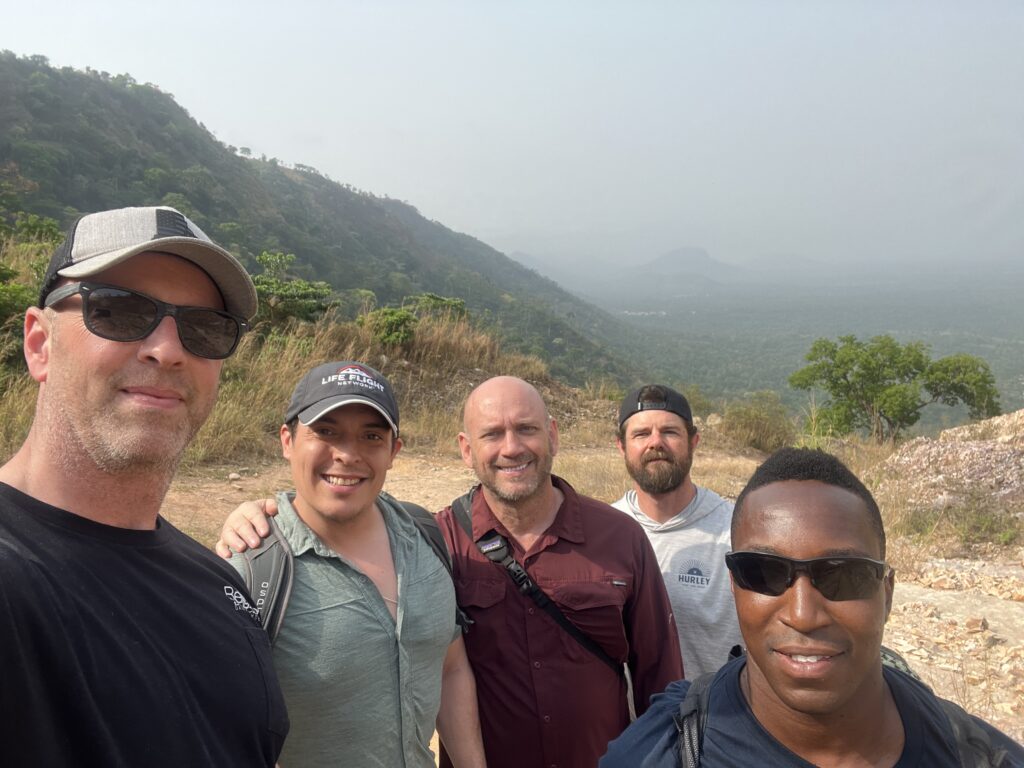
After staging in the Volta Region, the team consolidated equipment and reduced pack-out to only what could be carried into the village for the duration of the mission. With no improved road access, every item had to be weighed against necessity.
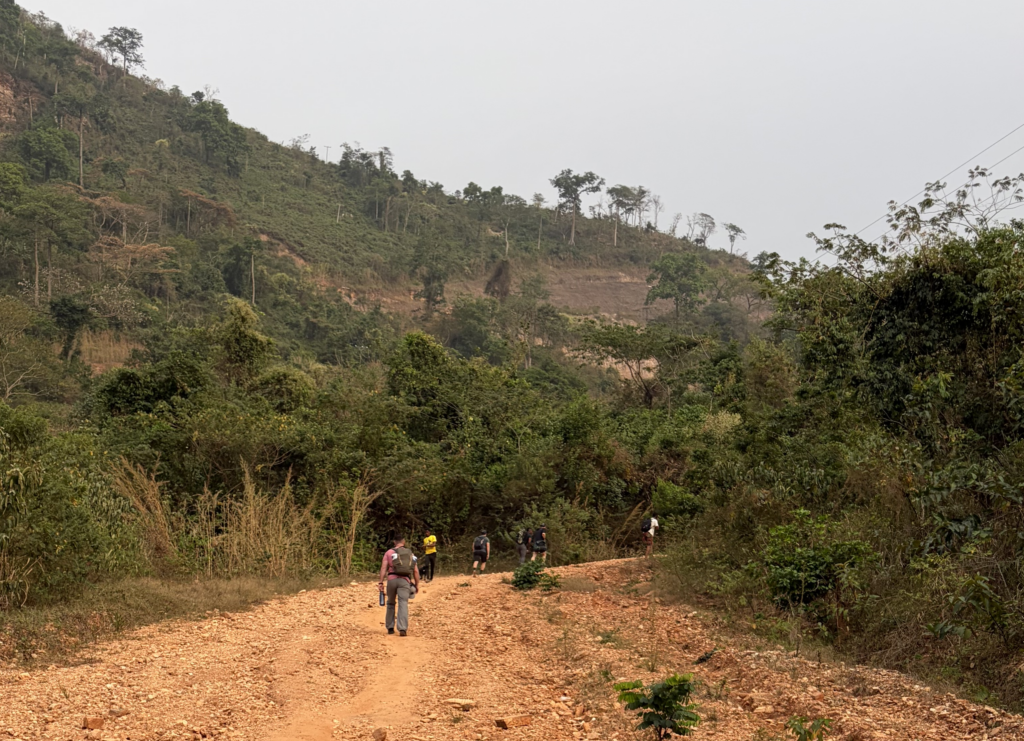
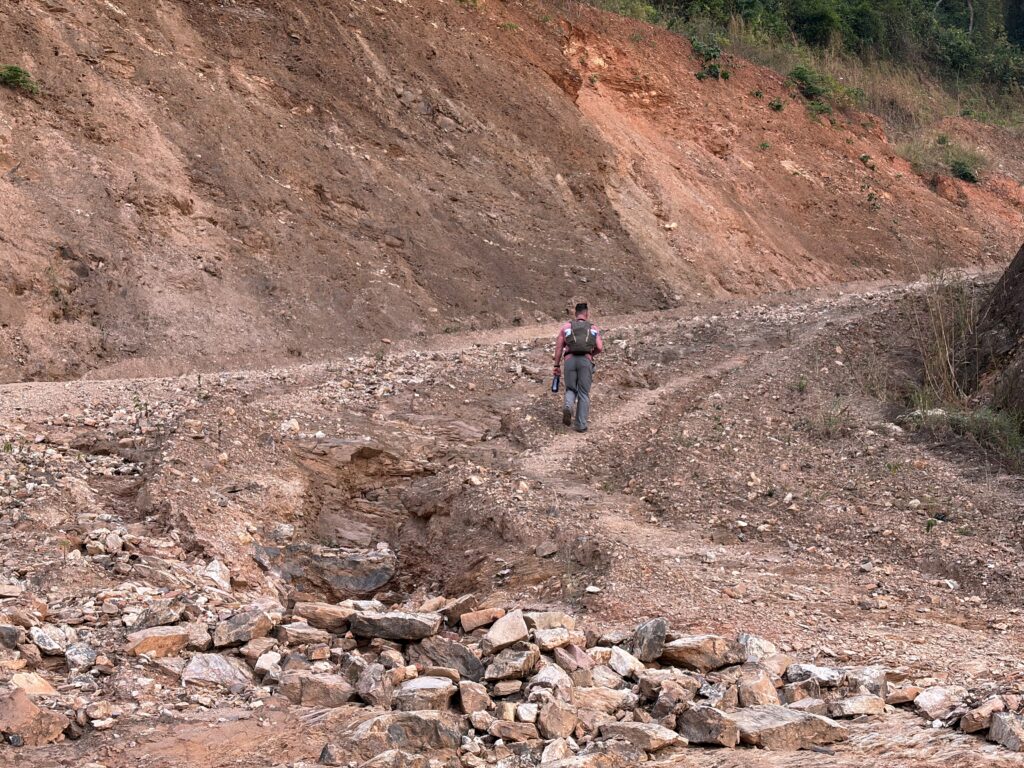
The final approach into Wli Todzi is on foot.
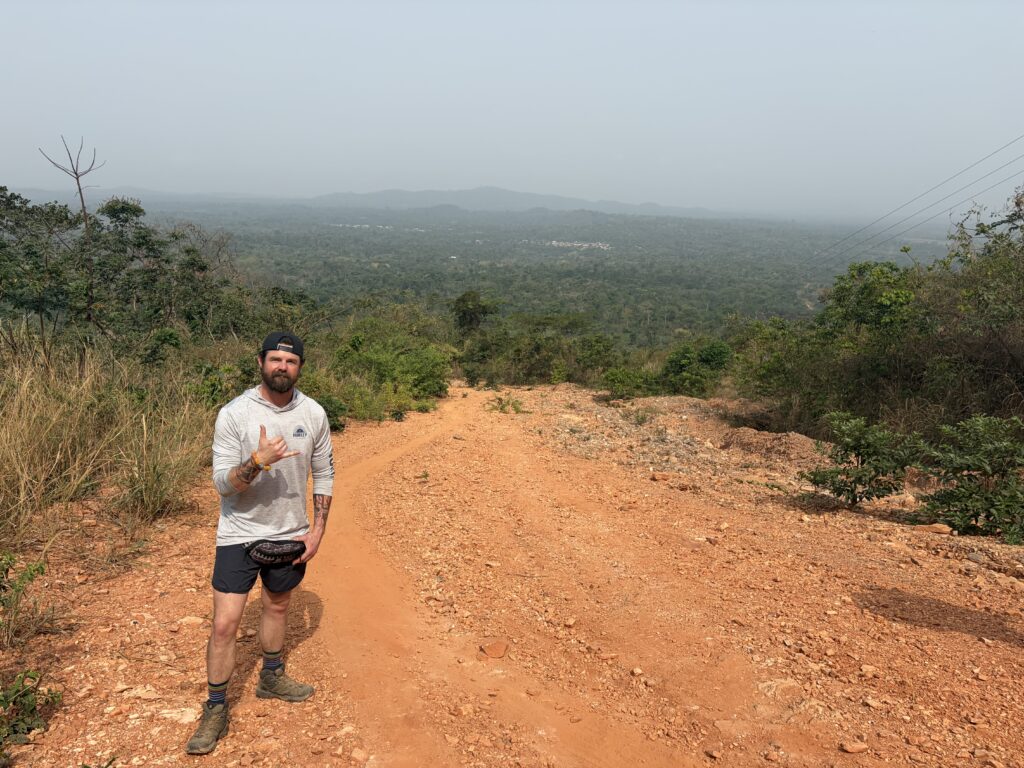
The trail is steep, sustained, and physically demanding, with grades exceeding 20% in sections. Terrain dictates pace, and movement is slow, deliberate, and dependent on what can realistically be carried.
This reality shapes everything.
Medical supplies, communications equipment, and personal gear must all be selected with constraint in mind. What cannot be carried does not make it into the village.
In environments like this, access is one of the primary barriers to care.
Working Within Local Systems
Working Within Local Systems
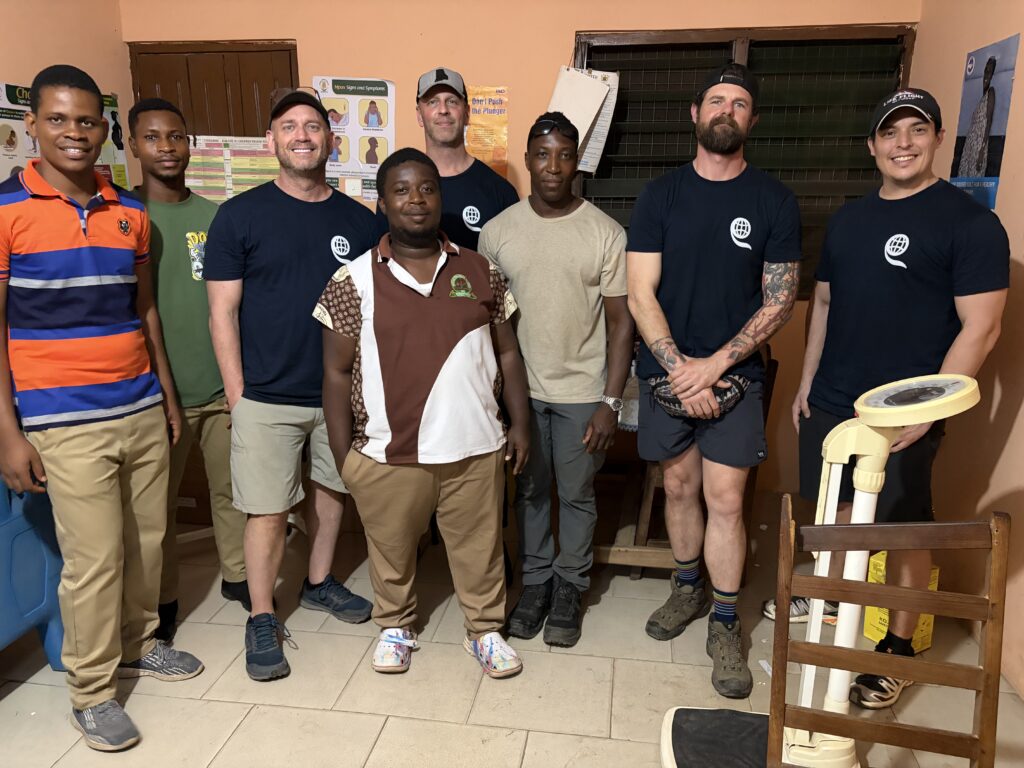
Before moving into Wli Todzi, RHO coordinated in Accra and across the Volta Region with regional and district health leadership.
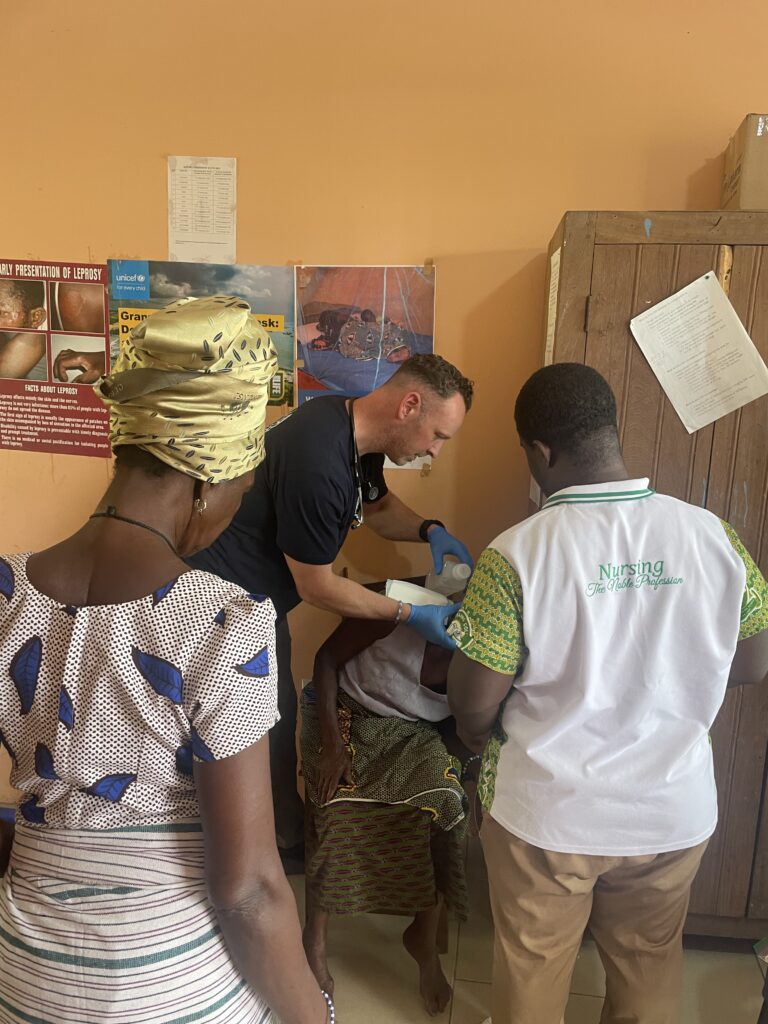
The team worked alongside the Ghana Health Service to align the mission with existing healthcare structures, source medications through local channels, and ensure physician support during village operations.
This approach is deliberate.
RHO does not build parallel systems. The objective is to support and strengthen what already exists while identifying where veteran-led teams can responsibly add value.
Operating within established local frameworks improves continuity of care, reinforces trust, and ensures that any intervention is grounded in the realities of the Ghanaian health system
Clinical Work in the Village
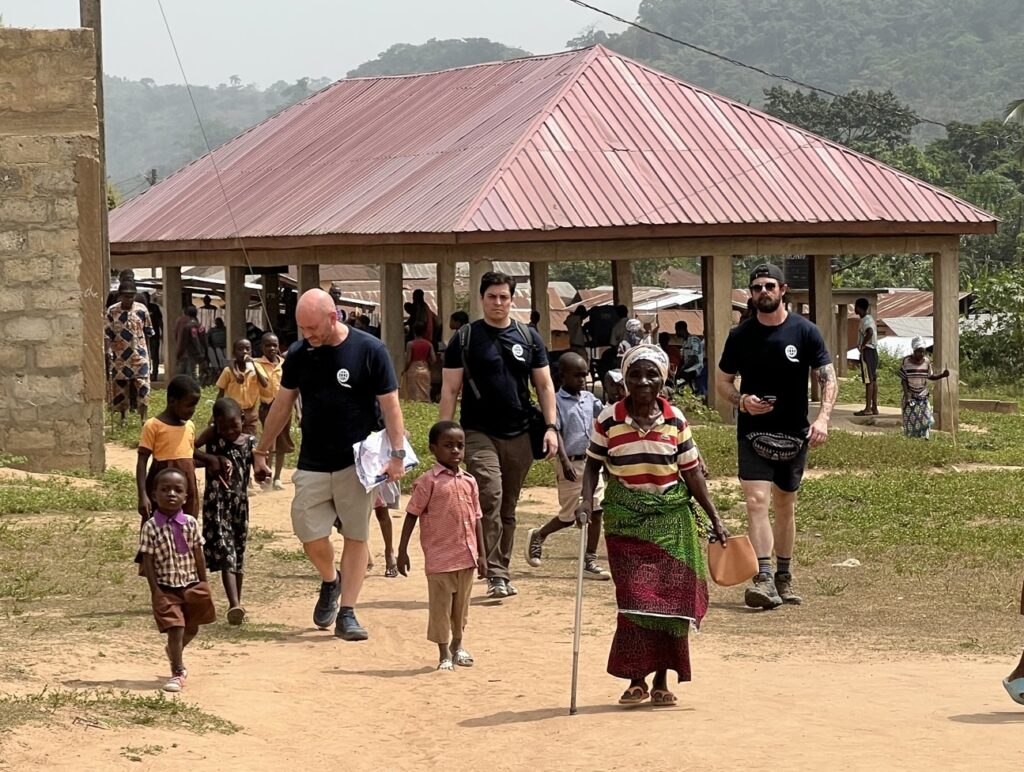
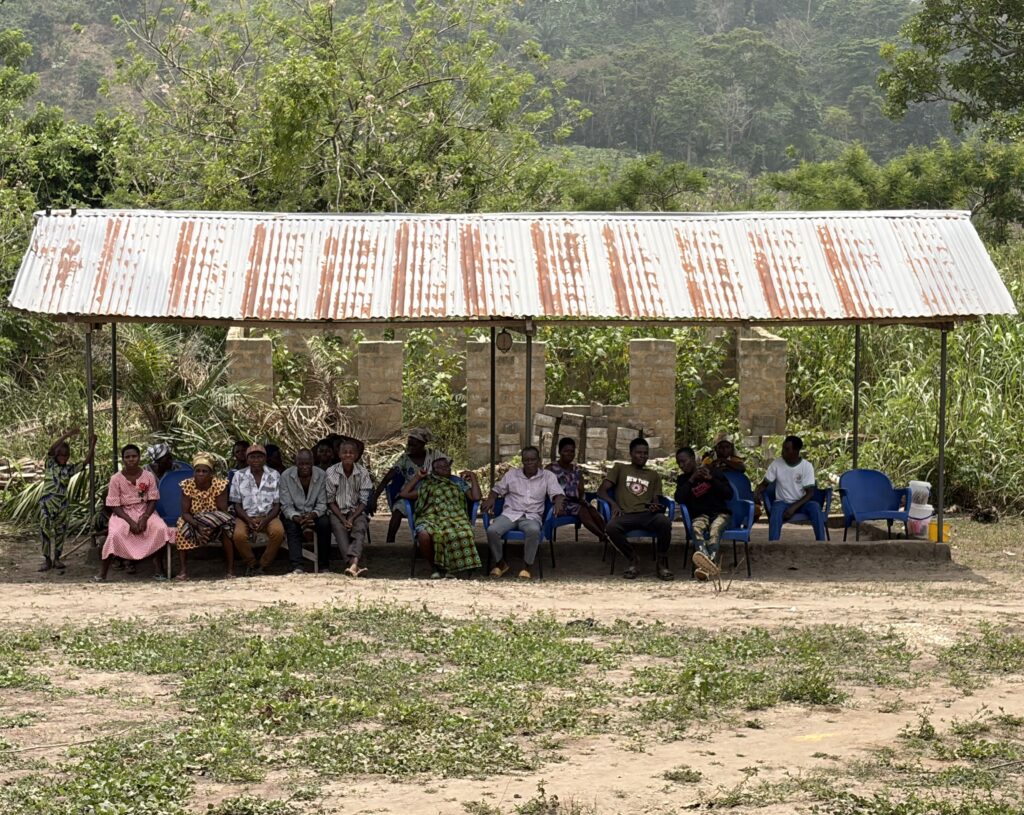
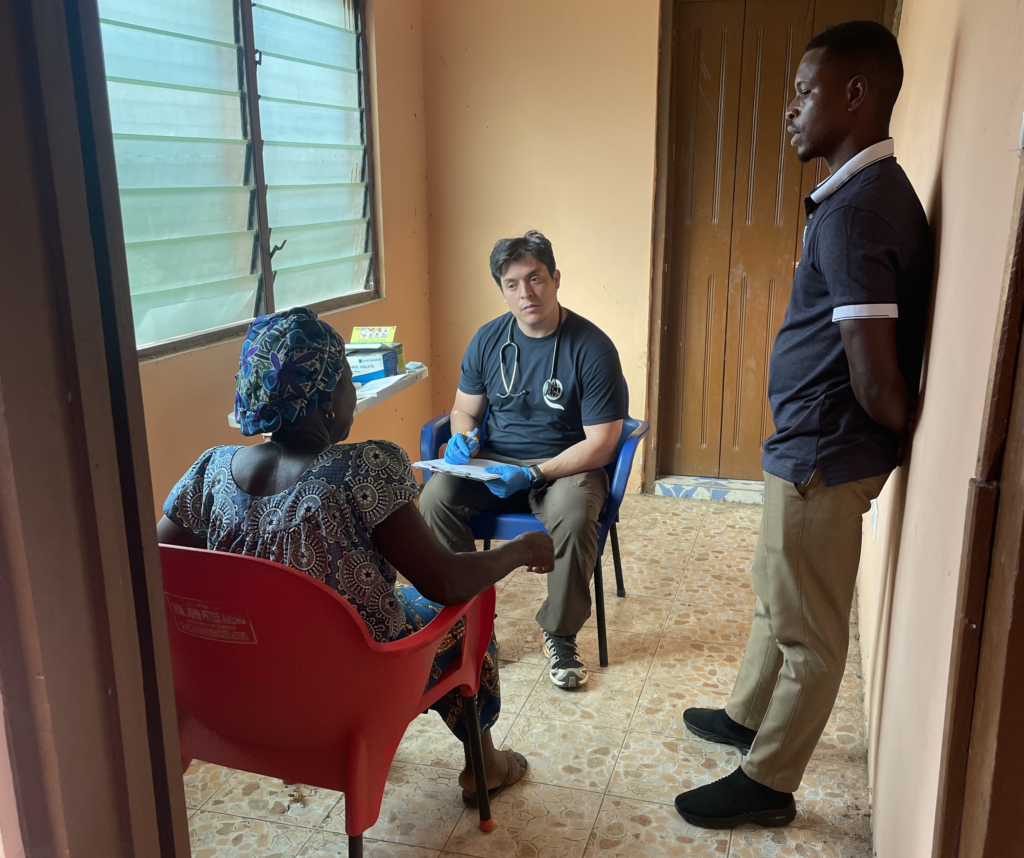
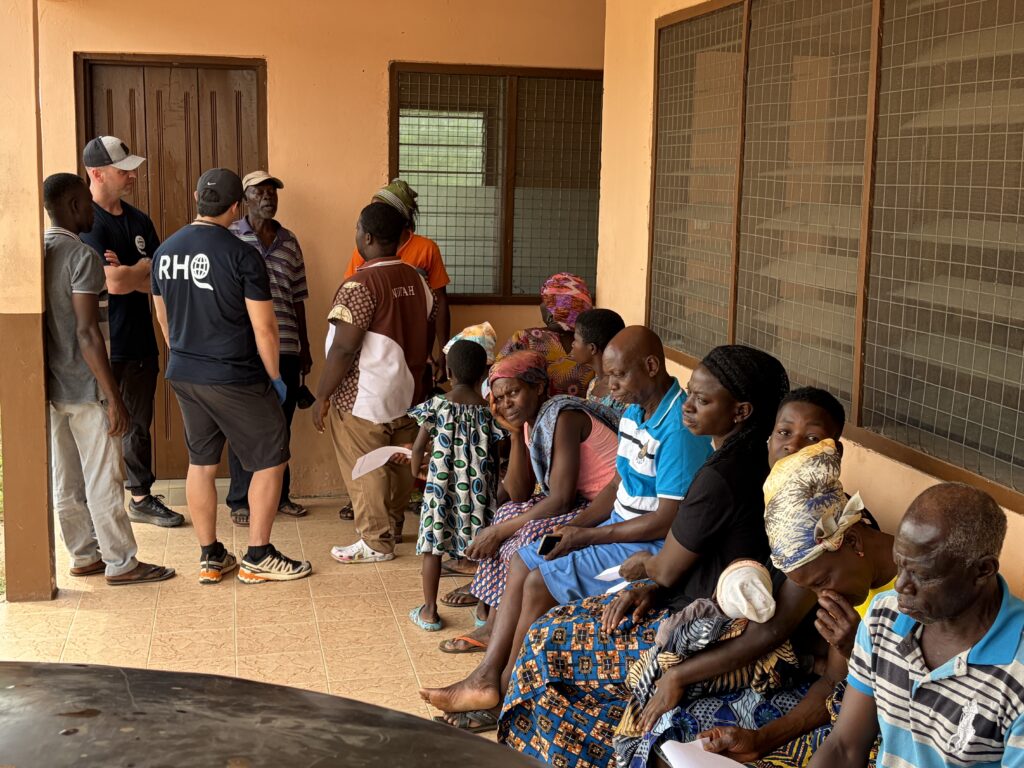
Once in Wli Todzi, the team was welcomed by village leadership before beginning clinical operations.
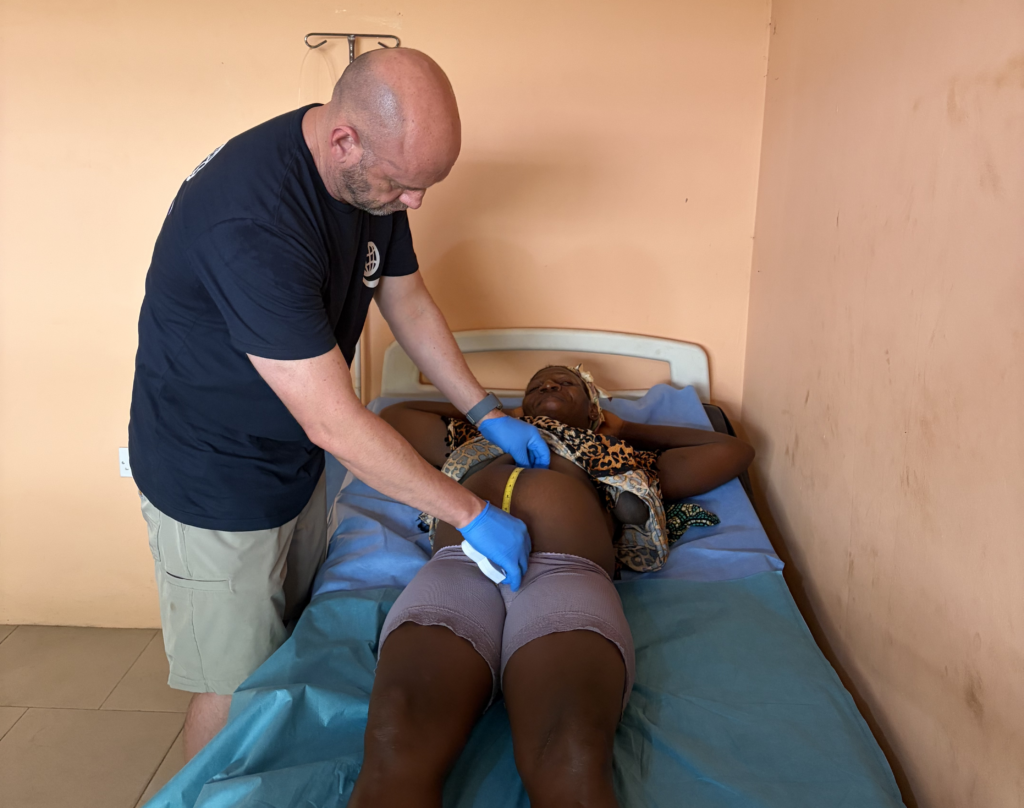
On the first full day alone, RHO assessed and treated 63 villagers. Over the following days, the team continued seeing patients, documenting findings, and identifying patterns that will inform future missions.
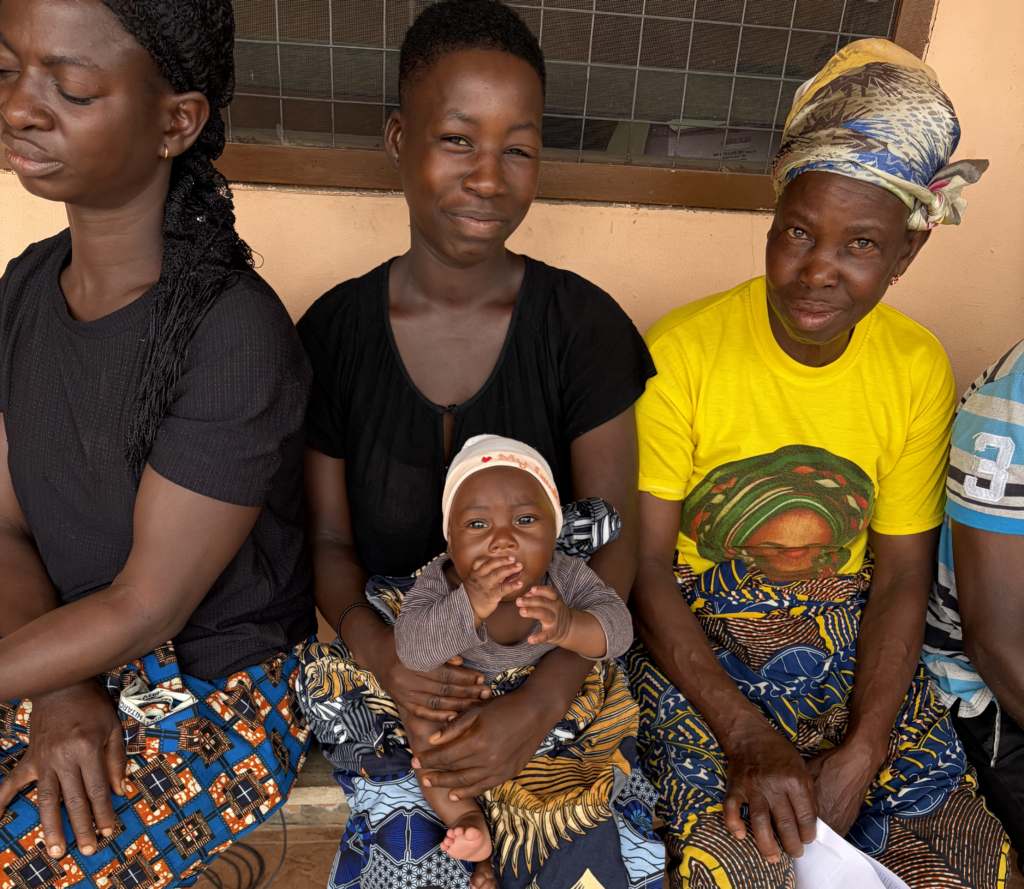
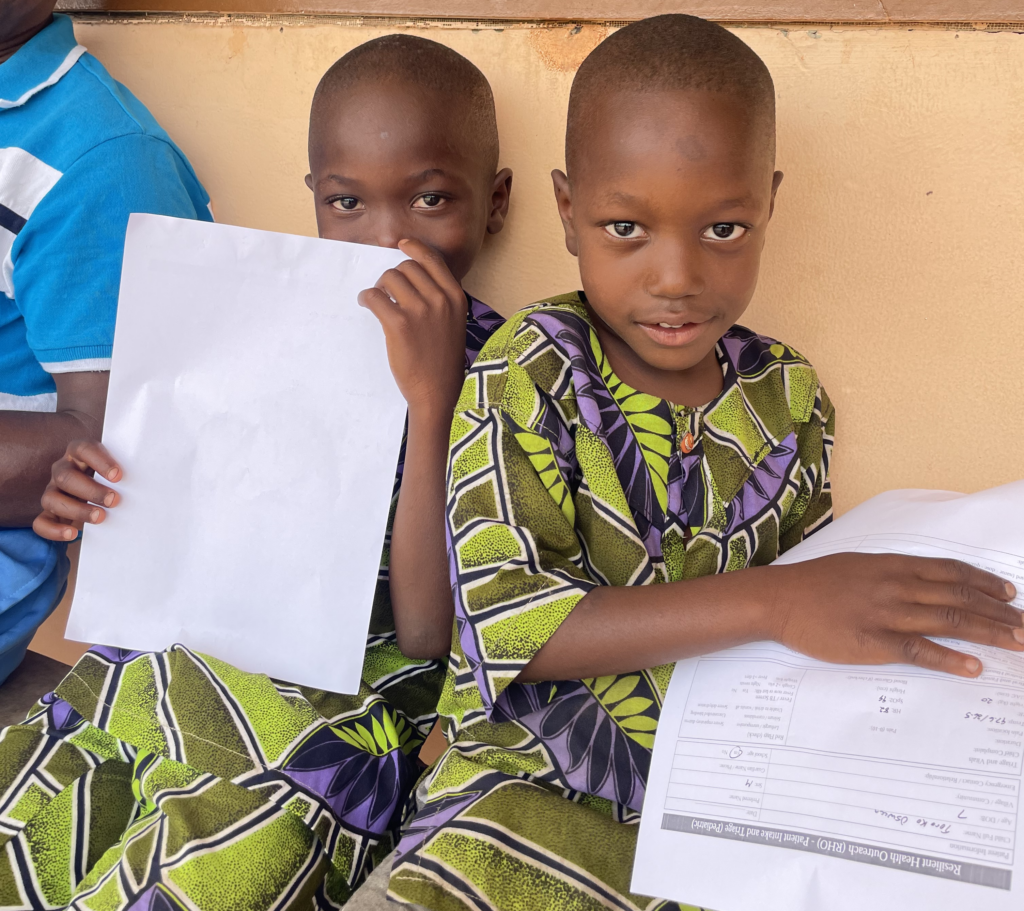
Several consistent clinical themes emerged:
Hypertension
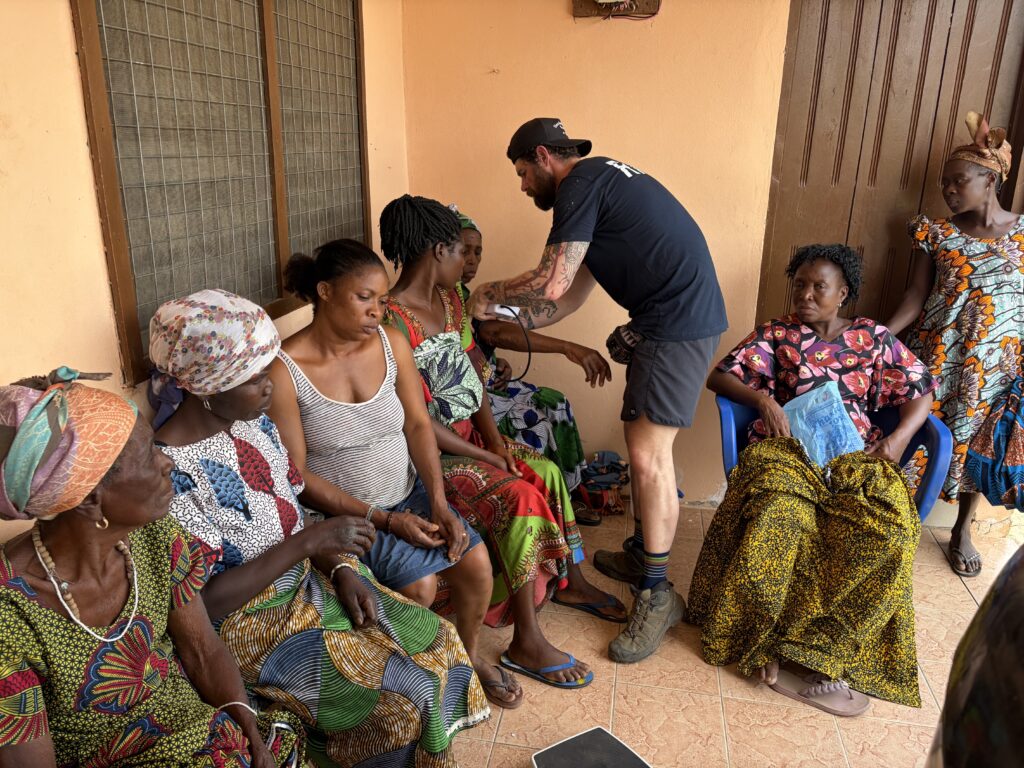
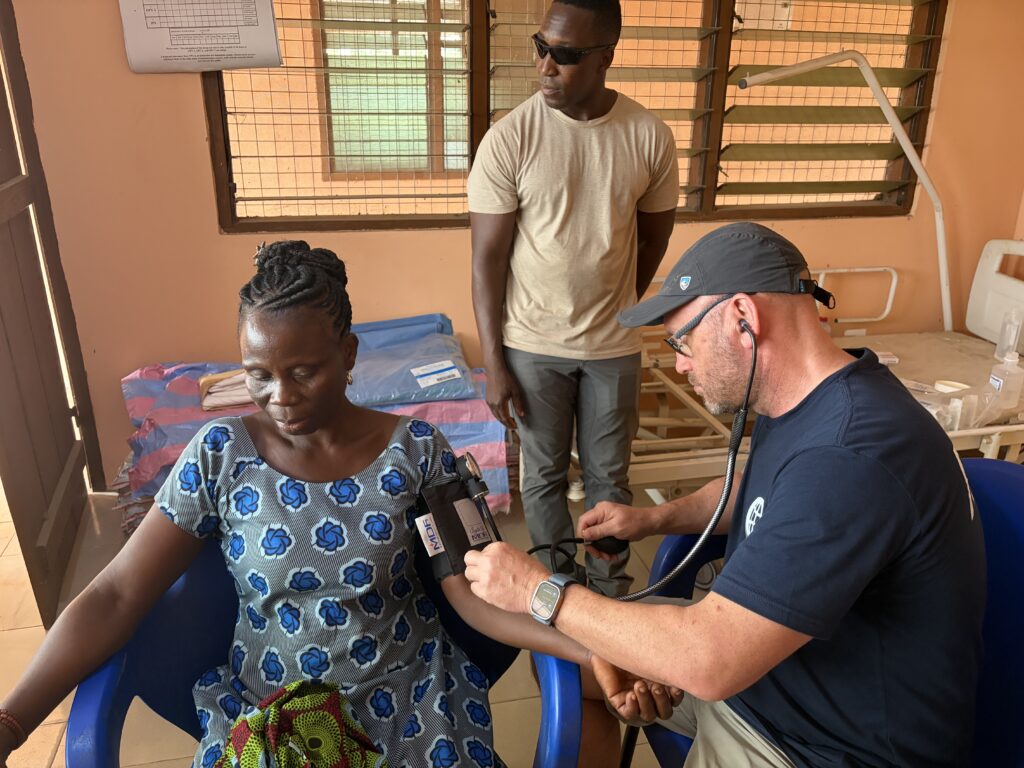
Elevated blood pressure was one of the most common findings, reinforcing the need for ongoing screening, education, and long-term management strategies.
Anemia and Nutritional Deficiency
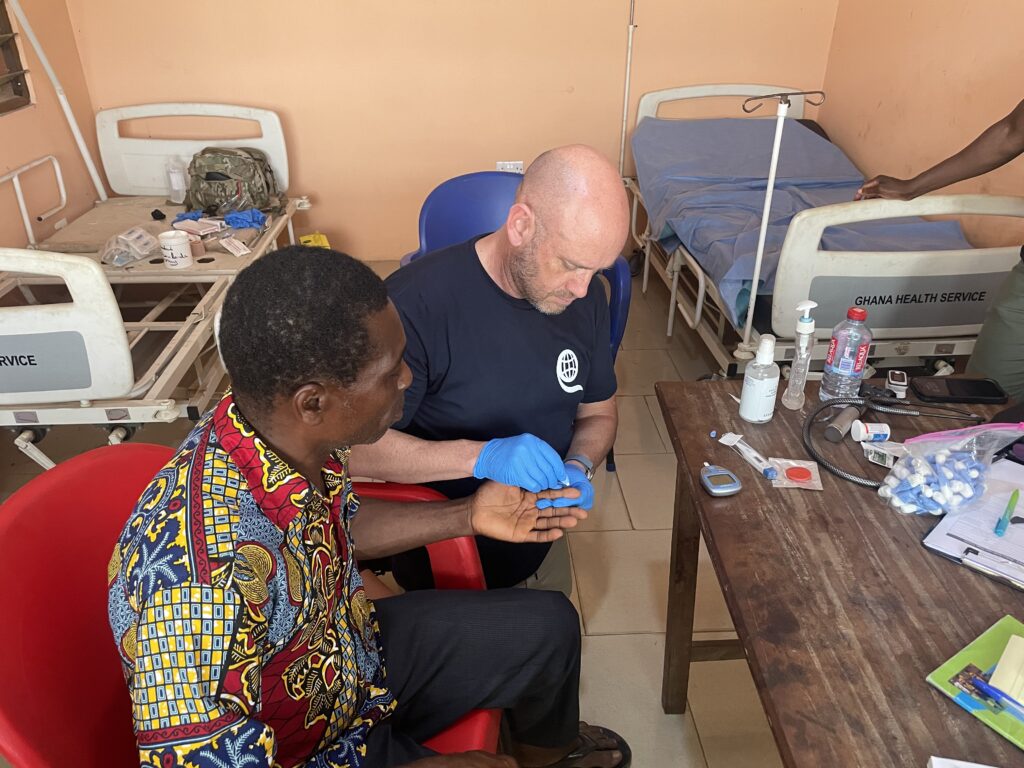
Anemia was frequently encountered. In a subsistence farming community where diets are largely plant-based and animal protein is not a regular staple, iron deficiency is a significant contributor. RHO addressed this through targeted supplementation, including the use of iron-rich medications such as Polyfer Forte.
Ear Impaction and Home Remedies
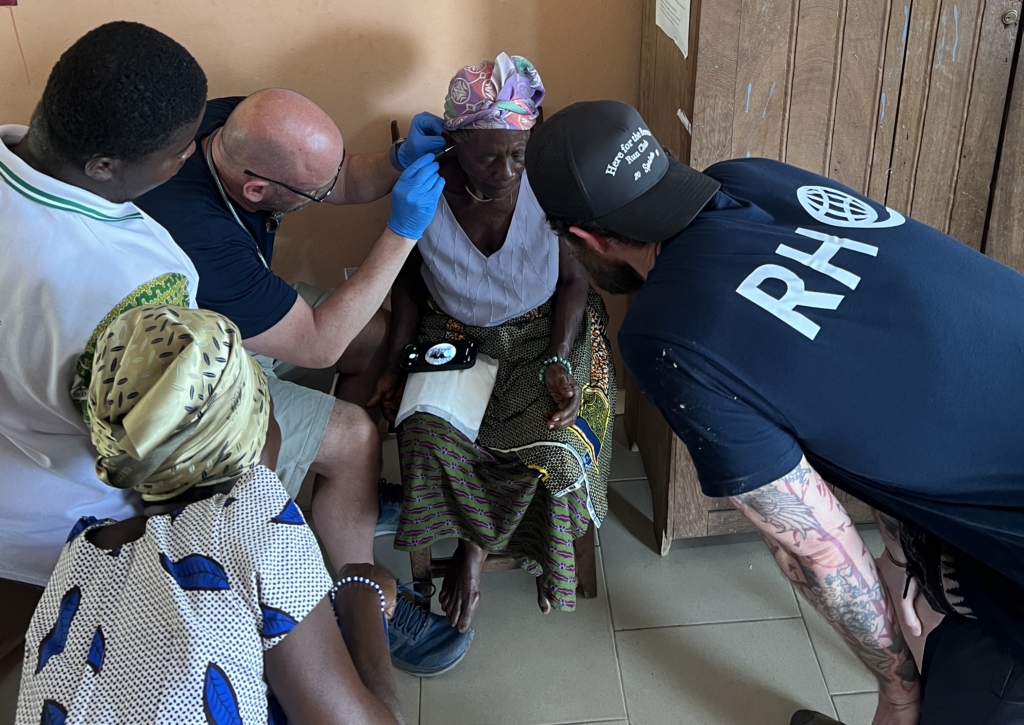
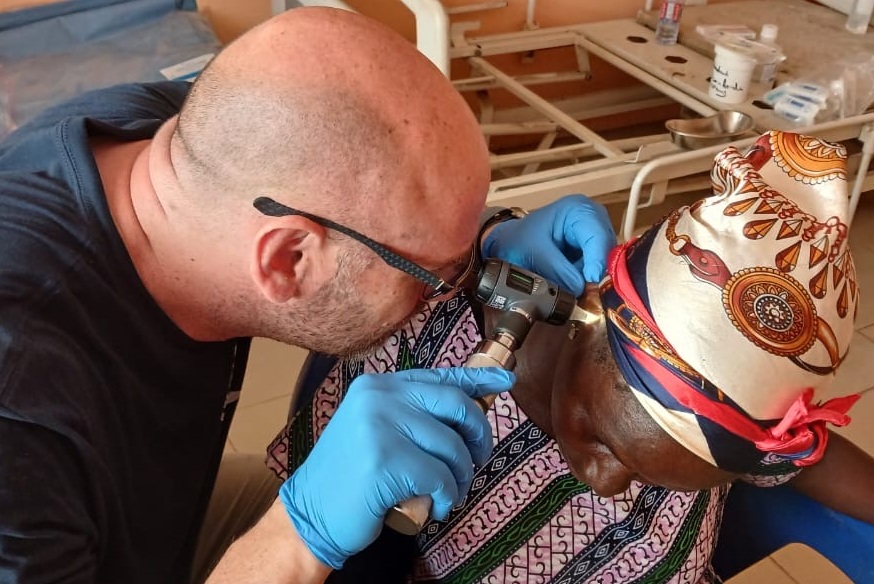
Multiple cases of severe ear impaction were associated with the use of local herbal treatments for pain and discomfort. These cases highlighted the importance of education and access to basic medical care.
While ear impaction’s appear to be a fairly simple issue, it drove home the villager’s lack of access to care. They were forced to deal with constant ear pain and hearing loss for several years at a time for what is a very simple and quick procedure by trained medical staff members.
Across all presentations, a common factor was delayed access to care. Many conditions had progressed beyond early stages due to the difficulty of reaching formal medical services.
This mission was designed to assess, but where appropriate, treatment was provided — focused, practical, and within the limits of what could be safely sustained in this environment.
Culture, Trust, and Relationship
The work in Wli Todzi extended beyond clinical care.
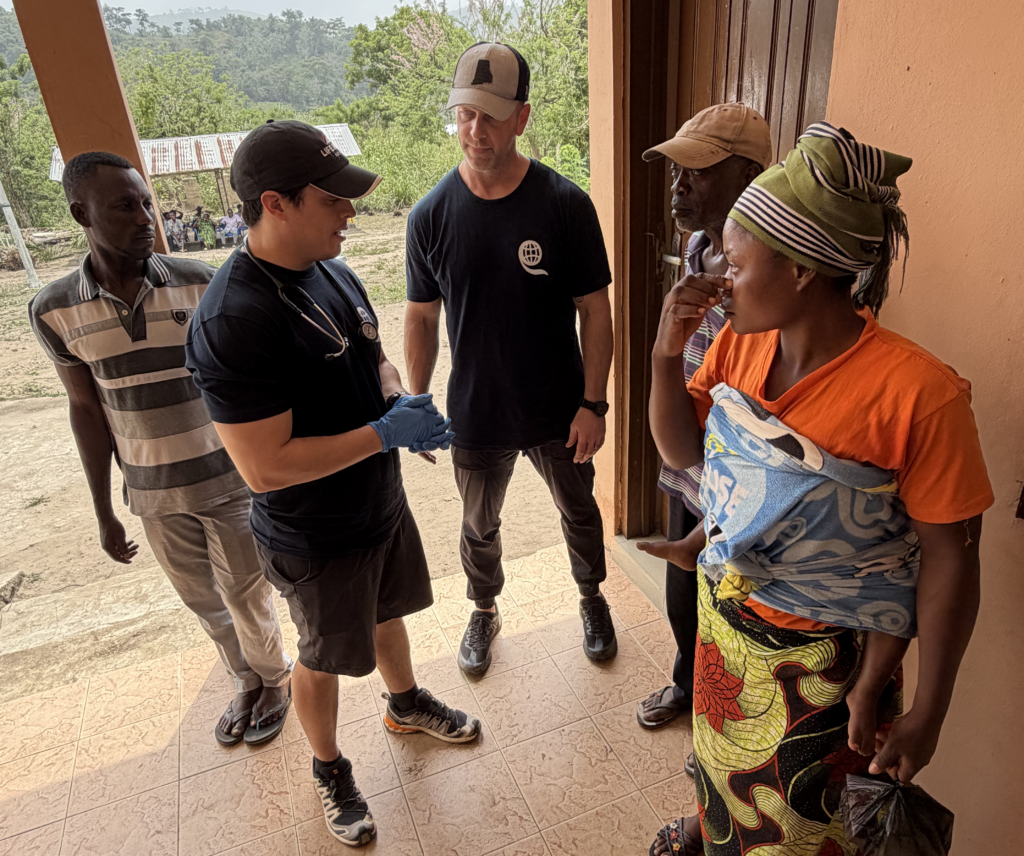
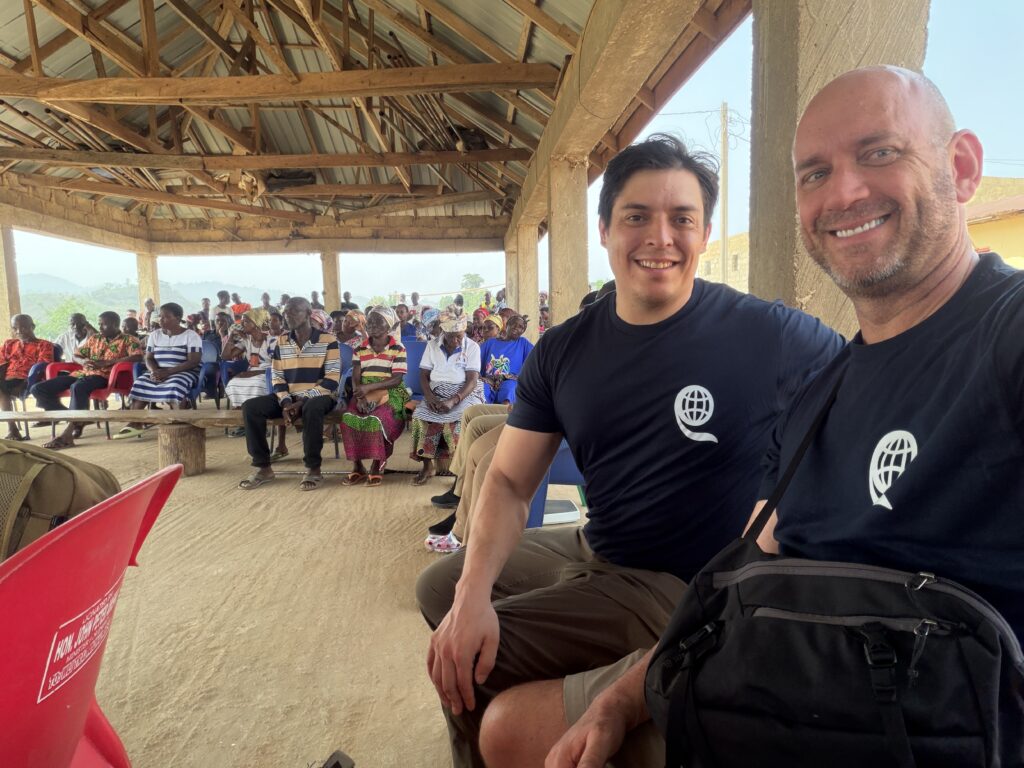
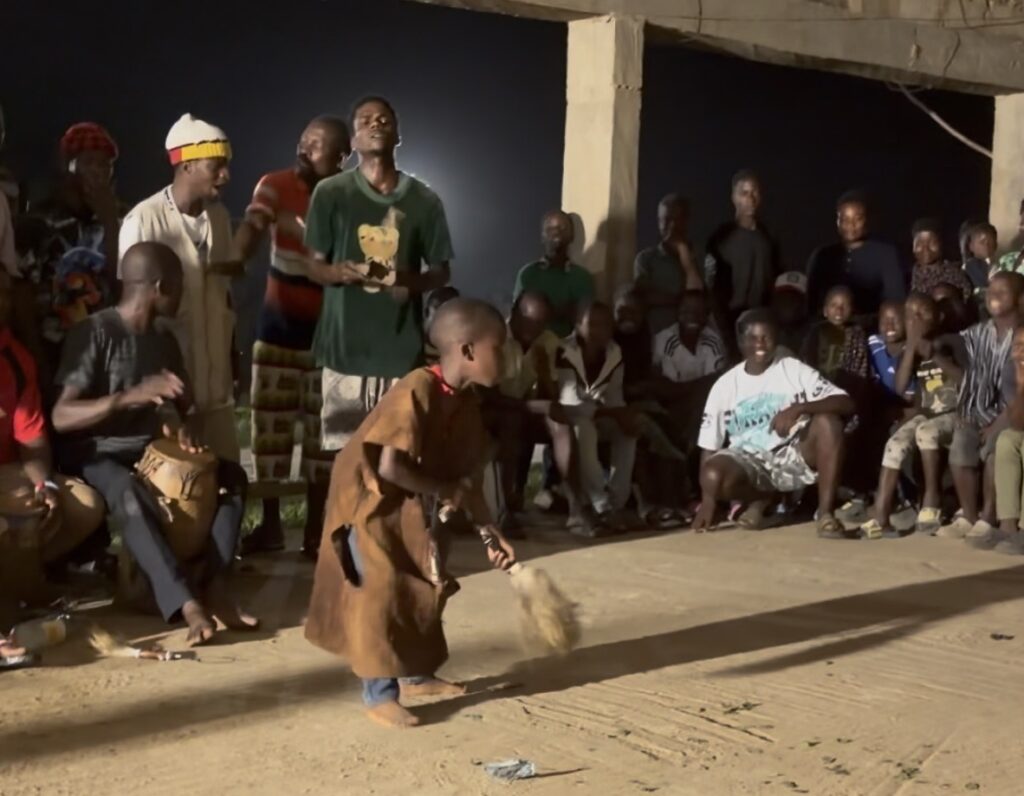
The team was welcomed through community ceremony, shared meals, and time spent with village leadership and residents. These interactions were not separate from the mission — they were foundational to it.
Trust is not assumed in environments like this. It is built.
From initial introductions to time spent outside of clinic hours, the team engaged with the community in a way that emphasized respect, presence, and willingness to listen. These moments provided context that no assessment alone could capture.
Cultural traditions were an important part of that experience.
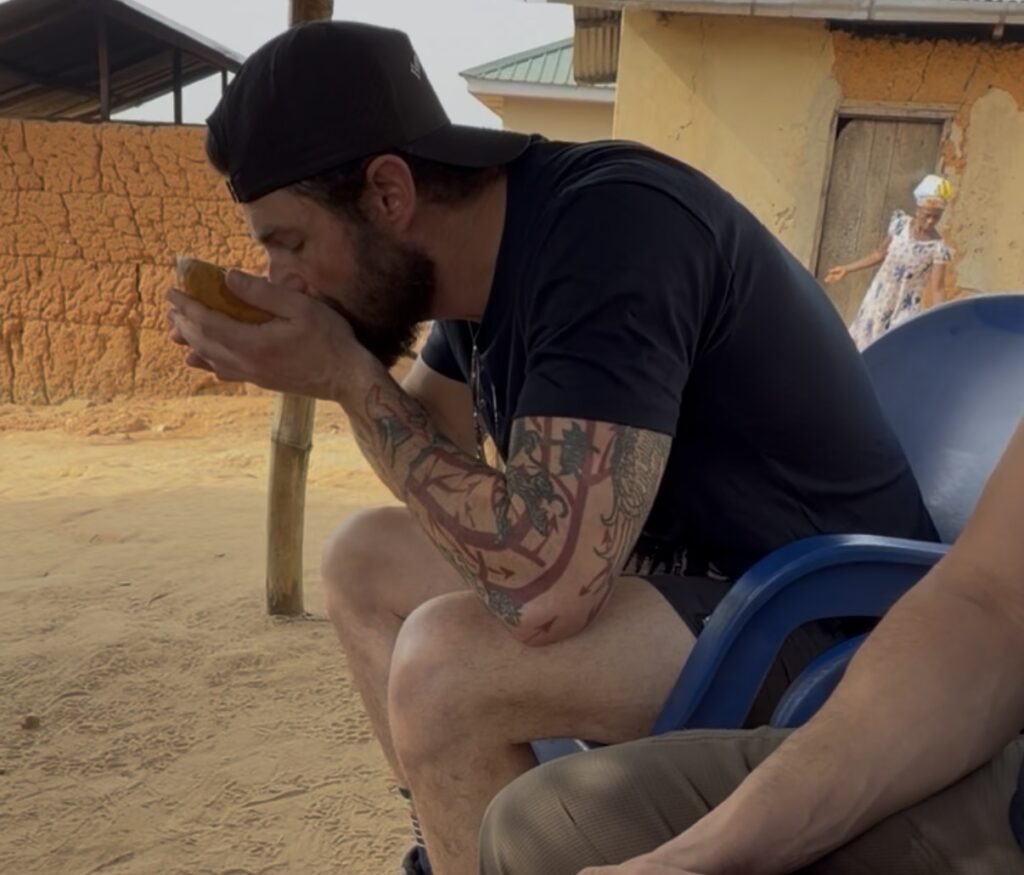
During one ceremony, the team participated in a traditional palm wine greeting, where a portion of the drink is poured to the ground as a gesture of respect and blessing. Acts like this carry meaning — they reflect how communities establish trust, extend welcome, and define shared space.
These interactions reinforced a central reality:
Effective healthcare support in communities like Wli Todzi depends not only on clinical capability, but on relationships built with intention and respect.
The Veteran Component
The mission to Wli Todzi was not only about delivering medical support. It also reflected a core part of Resilient Health Outreach’s purpose.
RHO was founded on the belief that the drive to serve does not end when military service concludes. For many veterans, the challenge is not willingness — it is the loss of structure, team, and mission that once gave their work meaning.
For this deployment, RHO brought one veteran as a dedicated member of the team in a non-medical role.
Throughout the mission, he documented his experience in a field journal. His observations captured something central to both the mission and the organization’s purpose:
“For a week, I felt the same clarity of purpose I used to feel in uniform.
Not because of rank.
Not because of orders.
Because people needed help — and we showed up.”
This experience reflects a defining element of RHO’s model.
By integrating veterans into mission-driven environments where their adaptability, problem-solving, and team orientation are relevant, RHO provides a pathway for continued service — one that is grounded, practical, and connected to real-world impact.
What the Mission Confirmed
The Wli Todzi mission was designed as an assessment, and it confirmed several key realities that will shape future operations.
Access remains one of the most significant barriers to care. Terrain, distance, and limited infrastructure directly affect when and how patients seek treatment, and what level of care can be sustained over time.
Chronic conditions such as hypertension require more than episodic treatment. They highlight the need for continuity, education, and follow-up strategies that extend beyond the duration of a single mission.
Nutritional factors, including limited access to iron-rich foods, contribute to conditions such as anemia and reinforce the importance of practical, targeted interventions that can be implemented within the constraints of the environment.
Local partnership is essential. Coordination with Ghana Health Service and community leadership is not simply beneficial — it is required to ensure alignment, continuity, and responsible care delivery.
Logistical constraints define capability. Every aspect of care — from medications to equipment — must be planned around what can be transported, maintained, and realistically used in a remote setting.
This mission also reinforced the value of a veteran-led operational model. The ability to adapt, problem-solve, and function within constrained and dynamic environments remains directly applicable in global health settings.
These findings will directly inform the structure, scope, and priorities of future RHO missions.
This approach is deliberate.
RHO does not build parallel systems. The objective is to support and strengthen what already exists while identifying where veteran-led teams can responsibly add value.
Operating within established local frameworks improves continuity of care, reinforces trust, and ensures that any intervention is grounded in the realities of the Ghanaian health system
Where RHO Goes From Here
The Wli Todzi mission was never intended to be an end state.
It was a starting point.
The assessments conducted, patterns identified, and relationships built during this deployment will directly inform future missions — shaping clinical priorities, refining logistical planning, and strengthening coordination with local partners.
RHO will continue working alongside Ghana Health Service and community leadership to ensure that future efforts are aligned, practical, and sustainable within the realities of the environment.
The goal is not simply to return.
The goal is to return better prepared — with a clearer understanding of what is needed, what is possible, and how to contribute in a way that supports long-term health outcomes.
At its core, this mission reinforced the foundation of RHO’s model:
Veteran-led teams, working in coordination with local systems, delivering focused medical support where it is needed — and doing so with discipline, respect, and purpose.
Support the Mission
Resilient Health Outreach is building veteran-led, partnership-driven medical outreach in communities where access to care is shaped by geography, infrastructure, and limited resources.
If you believe service should continue beyond the uniform — and that global health work should begin with preparation, respect, and alignment — we invite you to support the mission.
Donate
Follow mission updates
Get in contact
© 2025 Resilient Health Outreach (RHO). All rights reserved.
RHO is a registered nonprofit organization dedicated to providing humanitarian medical support and veteran reintegration services.
Resilient Health Outreach does not provide legal, financial, or emergency medical advice through this website.
Resilient Health Outreach is a registered 501(c)(3) nonprofit organization. All donations are tax-deductible as allowed by law.